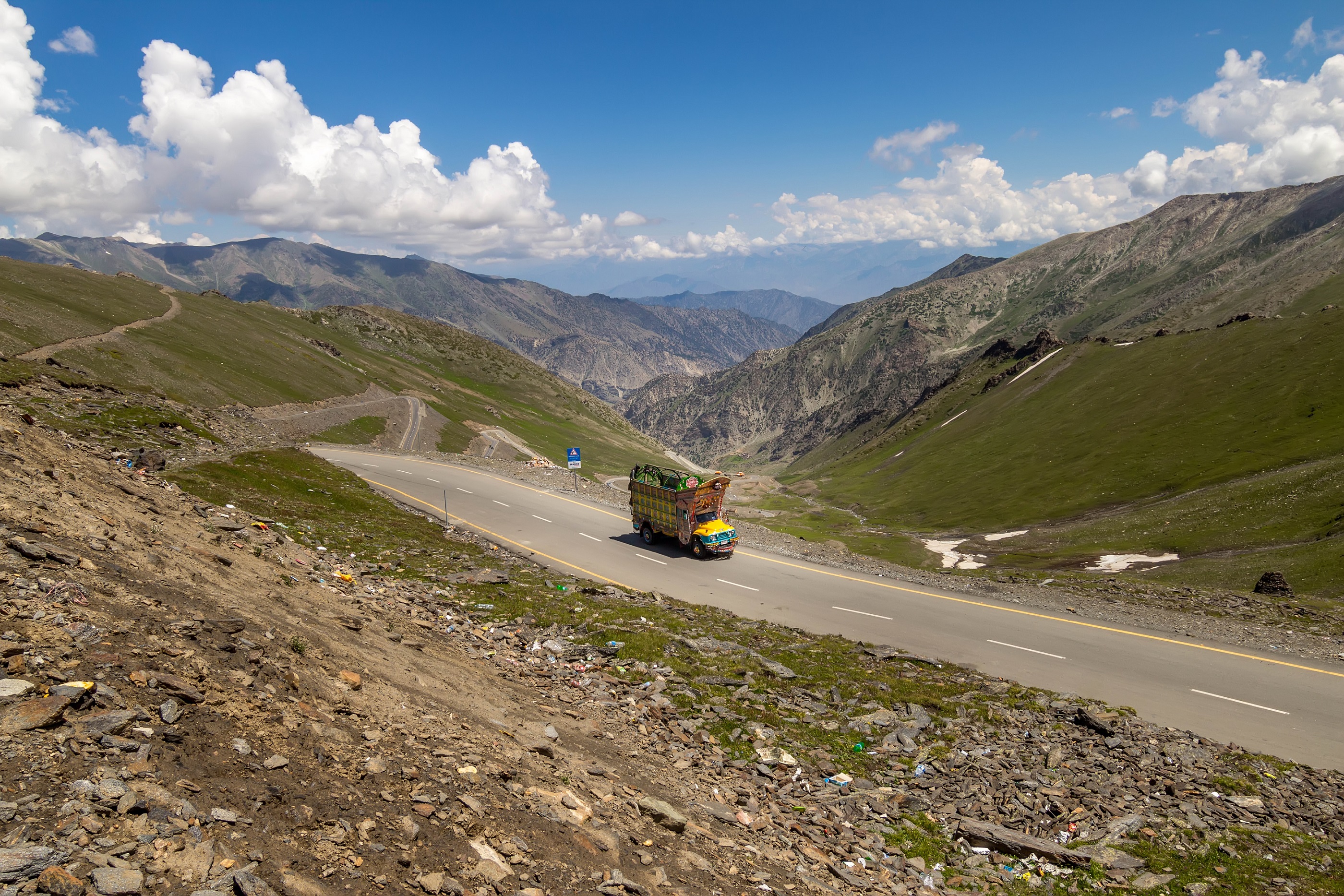
The best time for Naran Kaghan depends on which part of the valley you want to see. Lower areas may be accessible while Naran, high lakes or Babusar Top remain affected by snow or seasonal closure.
Spring: lower valley first
Spring brings greener lower slopes, but upper-valley access can remain limited. Mansehra, Balakot and some lower destinations may be practical before high routes are ready.
Do not infer Naran or Babusar access from city weather. Confirm official and local road updates close to departure.
Summer: widest access and highest demand
Summer is the main travel season for Naran and high-valley sightseeing. It also brings crowds, higher room demand and monsoon-related weather risk.
Book flexible accommodation, leave early for popular routes and monitor NDMA advisories. Even in summer, high-altitude mornings and evenings can be cold.
Early autumn: quieter but cooler
September and early October can offer quieter roads and changing colour when conditions remain suitable. Nights are colder and daylight is shorter.
Services may begin reducing as the season progresses. Confirm hotel operations, transport and road access rather than assuming summer availability continues.
Winter: choose lower elevations
Naran and high passes are not ordinary winter road-trip destinations. Snow and closure can make upper routes inaccessible.
Travellers seeking a winter break should focus on Mansehra and accessible lower areas, follow official advice and use vehicles prepared for the actual conditions.
Frequently asked questions
Quick answers
Which month is best for Naran?
Summer usually offers the broadest access, but exact opening dates and weather vary. Early autumn can be quieter when roads remain open.
Is Babusar Top open all year?
No. Babusar Top is a high, seasonal route and access must be verified before travel.
Editorial note: This guide avoids fixed hotel prices and guaranteed journey times because they change with season, demand and conditions. Last editorial review: July 11, 2026.