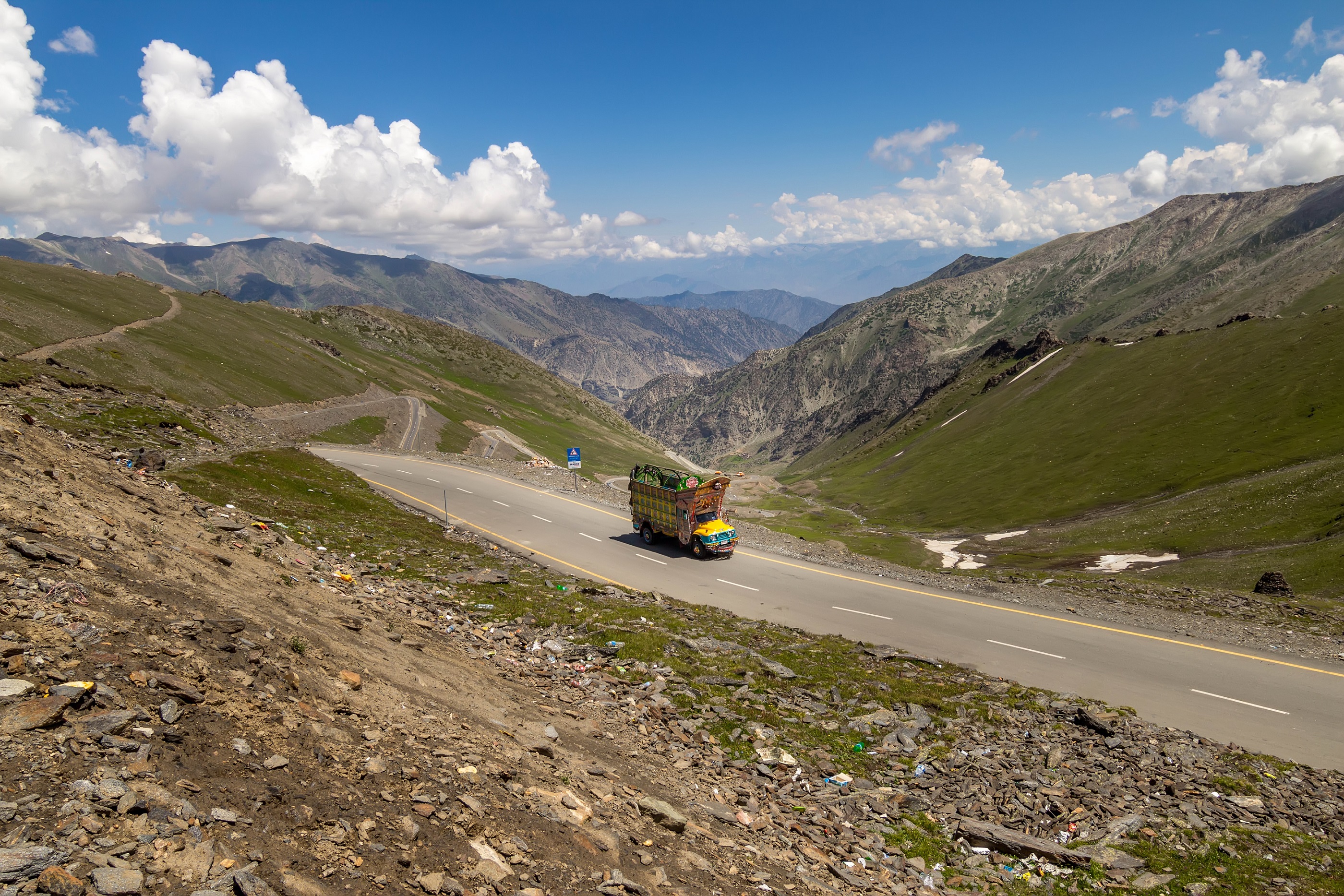
Babusar Top is the high pass at the northern end of Kaghan Valley and one of the region’s broadest viewpoints. It is a seasonal destination, not a year-round promise, and should be visited only when the route is officially accessible.
The route from Naran
The N-15 continues north through the upper valley toward Jalkhad, Lulusar Lake and Babusar Top. Allow a full outing rather than treating the pass as a quick stop.
Check official and reliable local information before departure. Snow, rain, landslides or maintenance can affect access even within the usual travel season.
High-elevation awareness
The pass is above 4,000 metres. Some visitors may develop headache, nausea, dizziness or breathlessness. Do not ignore worsening symptoms or try to prove fitness by staying longer.
Keep the visit brief, avoid heavy exertion, stay hydrated and descend if anyone feels unwell. People with relevant medical conditions should seek professional advice before high-altitude travel.
Driving and weather
Use a well-maintained vehicle with an experienced driver. Fog, wind, rain and cold can reduce safety quickly. Park only in established areas and do not block the roadway for photographs.
Carry warm layers, water, fuel margin, offline directions and basic emergency equipment. Start early enough to return before dark.
Combine with Lulusar responsibly
Lulusar Lake is a natural stop on the northern road, but do not create an overpacked schedule of constant roadside stops. Choose safe pull-offs and keep the group together.
Protect the high-valley environment by taking litter back and avoiding fragile shorelines and slopes.
Frequently asked questions
Quick answers
Is Babusar Top open all year?
No. It is a high seasonal pass, and current access must be confirmed before departure.
Can altitude affect visitors at Babusar Top?
Yes. At roughly 4,173 metres, some people may experience altitude-related symptoms; keep the visit brief and descend if unwell.
Editorial note: This guide avoids fixed hotel prices and guaranteed journey times because they change with season, demand and conditions. Last editorial review: July 11, 2026.